Introduction
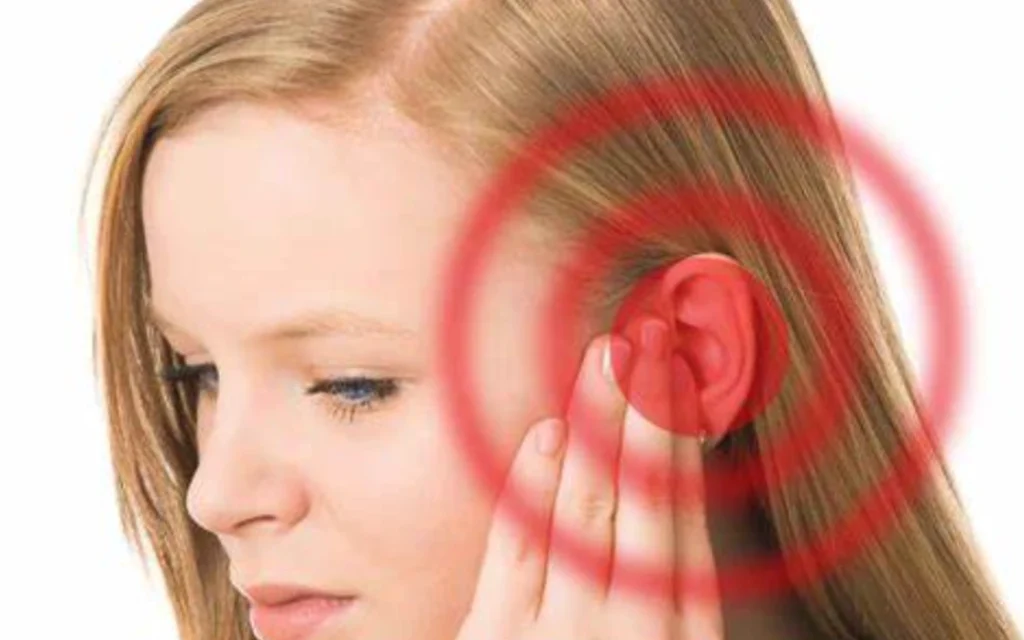
Tinnitus is the perception of sound in the absence of an external source, commonly described as ringing, buzzing, hissing, or clicking in the ears. It can occur intermittently or persistently, affecting one or both ears. While tinnitus is not a disease in itself, it often reflects underlying conditions related to the auditory system, neurological issues, or even vascular anomalies. Tinnitus can significantly impact quality of life, leading to stress, anxiety, and sleep disturbances. Understanding the causes, conducting a thorough evaluation, and employing evidence-based management strategies are essential for improving patient outcomes.
Causes of Tinnitus
Tinnitus can be classified into two categories:
- Subjective Tinnitus: Perceived only by the patient and is the most common type.
- Objective Tinnitus: A rare type, caused by audible physiological sounds from structures near the ear (such as vascular abnormalities or muscle contractions).
1. Hearing Loss
- Sensorineural hearing loss: Common in aging (presbycusis) or after exposure to loud noises (noise-induced hearing loss). Damage to hair cells in the cochlea disrupts auditory processing, leading to tinnitus.
- Conductive hearing loss: Conditions like otitis media, impacted earwax, or otosclerosis can result in tinnitus due to impaired sound conduction.
2. Noise Exposure
- Prolonged or sudden exposure to loud sounds (e.g., concerts, explosions, machinery) damages auditory hair cells, causing both hearing loss and tinnitus.
3. Ototoxic Medications
- Certain medications can damage the cochlear structures, resulting in tinnitus. Common culprits include nonsteroidal anti-inflammatory drugs (NSAIDs), antibiotics, and chemotherapy agents.
4. Meniere’s Disease
- Tinnitus, often described as a low-pitched buzzing, is one of the hallmark symptoms of Meniere’s disease, along with vertigo and fluctuating hearing loss due to abnormal fluid buildup in the inner ear.
5. Acoustic Neuroma (Vestibular Schwannoma)
- This benign tumor develops on the vestibulocochlear nerve and can cause unilateral tinnitus with hearing loss and balance problems.
6. Cardiovascular Issues (Pulsatile Tinnitus)
- Vascular abnormalities (such as carotid artery stenosis or arteriovenous malformations) can create audible pulsating sounds.
- High blood pressure can also cause pulsatile tinnitus due to increased turbulence in blood vessels near the ear.
7. Temporomandibular Joint (TMJ) Disorder
- Dysfunction of the jaw joint can refer pain and pressure to the ear region, leading to tinnitus.
8. Psychological and Neurological Condition
- Stress, anxiety, and depression can exacerbate tinnitus. Additionally, head trauma, multiple sclerosis, or traumatic brain injuries may impair the auditory system, triggering tinnitus.
9. Eustachian Tube Dysfunction
- Impaired functioning of the Eustachian tube, which helps equalize pressure in the middle ear, can lead to blocked sensations and tinnitus.
Evaluation and Diagnosis
A thorough clinical evaluation is essential to determine the underlying cause of tinnitus. This process involves a detailed history, physical examination, and diagnostic tests.
1. History and Symptom Assessment
- Nature of the tinnitus: Is it continuous or intermittent?
- Laterality: Is it in one ear (unilateral) or both (bilateral)?
- Associated symptoms: Hearing loss, vertigo, fullness in the ear, or headaches.
- Noise exposure: History of exposure to loud sounds or ototoxic medications.
- Pulsatile tinnitus: May suggest a vascular origin.
2. Physical Examination
- Otoscopy: Examination of the ear canal and eardrum to rule out wax buildup, infections, or middle ear issues.
- TMJ evaluation: Assess for jaw joint dysfunction.
- Neck auscultation: To detect vascular bruits, which may indicate pulsatile tinnitus.
3. Hearing Tests
- Pure tone audiometry: Evaluates the degree of hearing loss, which is often associated with tinnitus.
- Tympanometry: Assesses middle ear function and helps detect Eustachian tube dysfunction.
- Otoacoustic emissions (OAEs): Test the function of cochlear hair cells, useful for detecting early hearing loss.
4. Imaging Studies
- Magnetic Resonance Imaging (MRI): Useful for ruling out acoustic neuroma or other brain lesions.
- Computed Tomography (CT): May be recommended for middle ear or mastoid abnormalities.
- MRA/CTA (Magnetic Resonance Angiography/CT Angiography): To evaluate vascular causes of pulsatile tinnitus.
5. Blood Tests
- Nature of the tinnitus: Is it continuous or intermittent?
- Laterality: Is it in one ear (unilateral) or both (bilateral)?
- Associated symptoms: Hearing loss, vertigo, fullness in the ear, or headaches.
- Noise exposure: History of exposure to loud sounds or ototoxic medications.
- Pulsatile tinnitus: May suggest a vascular origin.
When to Seek Medical Attention
It is important to seek medical advice if:
- Tinnitus is sudden or unilateral (in one ear).
- Tinnitus is accompanied by hearing loss, dizziness, or neurological symptoms.
- Pulsatile tinnitus or other rhythmic sounds are heard.
- Tinnitus causes significant emotional distress, sleep disturbances, or affects daily life.
Conclusion
Tinnitus is a complex symptom with a variety of causes, ranging from hearing loss to vascular abnormalities and psychological factors. Accurate diagnosis through a detailed history, examination, and appropriate testing is essential for effective management. While there may not be a definitive cure for tinnitus, evidence-based therapies such as sound therapy, cognitive-behavioral therapy, and lifestyle modifications can provide meaningful relief.
If you or someone you know is experiencing tinnitus, please visit Medikeri’s ENT and Head-Neck Centre for comprehensive evaluation and personalized management. Our experts will guide you through the most appropriate treatment options to improve your quality of life.