Pediatric otitis media, commonly known as ear infections, is one of the most prevalent childhood illnesses. It affects millions of children each year and can have a significant impact on their health and development. Understanding otitis media is essential for parents and caregivers to recognize symptoms and seek timely intervention.
What is Otitis Media?
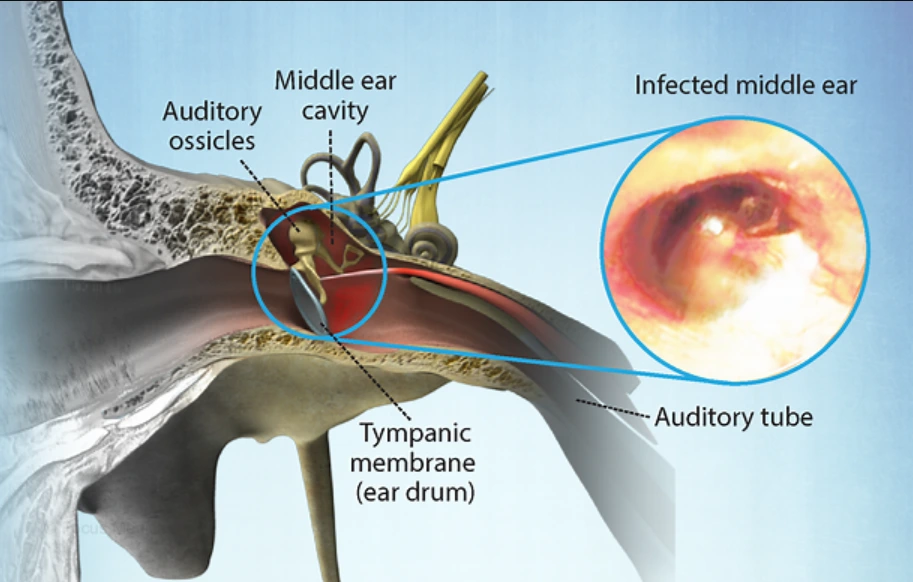
Otitis media refers to the inflammation or infection of the middle ear, the space behind the eardrum that contains tiny vibrating bones. The condition is categorized into three main types:
- Acute Otitis Media (AOM): A sudden onset of ear pain and fever, often caused by bacterial or viral infections.
- Otitis Media with Effusion (OME): Fluid accumulation in the middle ear without signs of acute infection, which may occur after an ear infection has resolved.
Chronic Otitis Media (COM): Recurrent ear infections that can lead to long-term issues, including hearing loss.
Causes of Pediatric Otitis Media
Several factors can contribute to the development of otitis media in children:
- Eustachian Tube Dysfunction: The Eustachian tubes connect the middle ear to the back of the throat and help equalize ear pressure. In children, these tubes are shorter and more horizontal, making them more prone to blockages from mucus, leading to fluid buildup and infection.
- Upper Respiratory Infections: Colds or sinus infections can lead to inflammation and fluid accumulation in the middle ear.
- Allergies: Allergic reactions can cause nasal congestion and Eustachian tube dysfunction, increasing the risk of ear infections.
- Exposure to Secondhand Smoke: Children exposed to tobacco smoke are at a higher risk of developing otitis media.
- Lack of Breastfeeding: Breastfeeding provides antibodies that help protect against infections, and infants who are not breastfed may have a higher incidence of ear infections.
Symptoms of Otitis Media
Recognizing the symptoms of otitis media is crucial for early intervention. Common signs include:
- Ear Pain: This is often the most noticeable symptom, which may cause the child to tug or pull at their ear.
- Fever: A mild to moderate fever may accompany ear infections.
- Irritability: Children may become more fussy or irritable due to discomfort.
- Difficulty Sleeping: Lying down can exacerbate ear pain, leading to sleep disturbances.
- Fluid Drainage: Yellow or green fluid may drain from the ear if the eardrum ruptures.
- Hearing Loss: Fluid in the middle ear can temporarily affect hearing.
Complications of Untreated Otitis Media
If left untreated, otitis media can lead to several complications, including:
- Hearing Loss: Repeated ear infections can affect a child’s hearing, which may impact speech and language development.
- Speech Delays: Prolonged hearing loss can lead to difficulties in speech and language acquisition.
- Tympanic Membrane Perforation: Severe infections can cause the eardrum to rupture.
- Chronic Ear Problems: Some children may develop chronic otitis media, leading to recurrent infections and ongoing treatment needs.
- Spread of Infection: In rare cases, the infection can spread to surrounding structures, including the mastoid bone or even the brain.
Diagnosis of Pediatric Otitis Media
Diagnosing otitis media typically involves:
- Medical History: A thorough assessment of the child’s symptoms and medical history.
- Physical Examination: An otoscope is used to examine the ear canal and eardrum for signs of infection or fluid.
- Hearing Tests: Audiometric evaluations may be conducted if hearing loss is suspected.
Treatment Options for Pediatric Otitis Media
Treatment for otitis media depends on the severity and frequency of infections. Common management strategies include:
- Observation- In cases of mild symptoms without significant fever or pain, a “watchful waiting” approach may be recommended. Many ear infections resolve on their own without antibiotics.
- Pain Management- Over-the-counter pain relievers can help alleviate discomfort. Warm compresses may also provide relief.
- Antibiotics- If symptoms are severe or do not improve after a few days, antibiotics may be prescribed to treat bacterial infections. It’s important to complete the full course as directed.
- Surgery- For children with recurrent ear infections (more than three episodes in six months or four in a year), surgical intervention may be considered. Procedures include:
- Tympanostomy (Ear Tube Insertion): Small tubes are placed in the eardrum to help drain fluid and equalize pressure, reducing the frequency of infections.
- Adenoidectomy: Removal of the adenoids may be recommended if they contribute to recurrent infections.
Prevention of Pediatric Otitis Media
While not all cases of otitis media can be prevented, certain strategies may reduce the risk:
- Breastfeeding: Exclusively breastfeeding infants for at least six months can provide protection against infections.
- Avoiding Secondhand Smoke: Keeping children away from tobacco smoke can lower the risk of ear infections.
- Vaccinations: Staying up to date with vaccinations, including the pneumococcal and influenza vaccines, can help prevent infections.
- Good Hygiene: Teaching children proper handwashing techniques can reduce the likelihood of upper respiratory infections that may lead to ear infections.
Conclusion
Pediatric otitis media is a common but manageable condition that can significantly affect a child’s well-being and development. Early recognition and appropriate intervention are essential to prevent complications. If you suspect that your child may be experiencing symptoms of otitis media, it’s important to seek professional evaluation and treatment. At Medikeri Hospital, our dedicated team is equipped to provide comprehensive care for children with ear infections, ensuring the best possible outcomes for your child’s health.